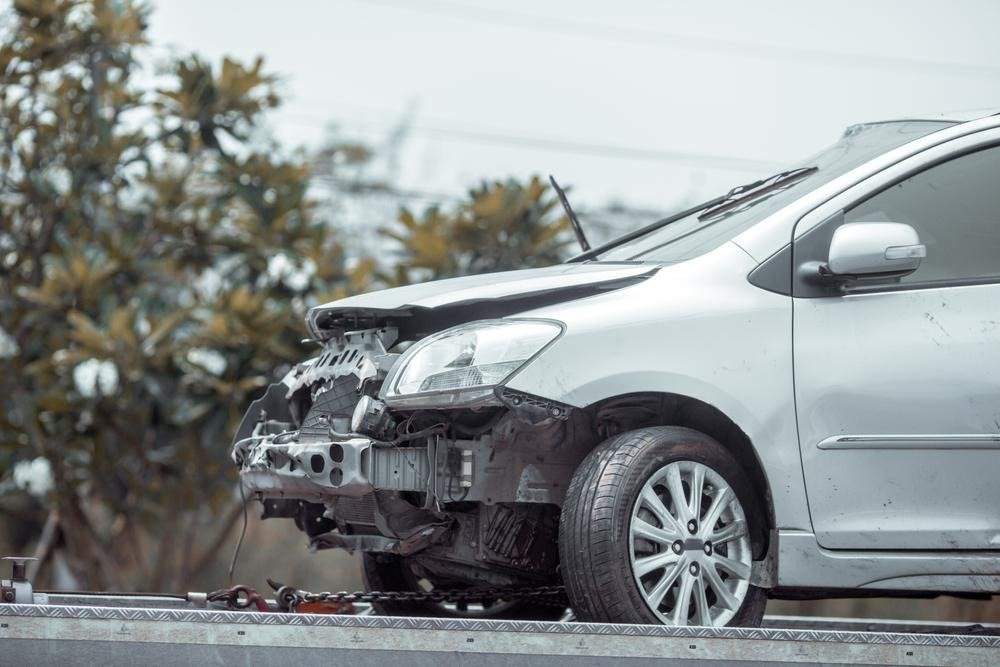
The moment a car strikes your vehicle and the other driver has no insurance, the weight of uncertainty can feel unbearable. A crash can leave you staring at damage, mounting bills, and a confusing trail of paperwork.
Yet, uninsured and underinsured claims exist as a safety net to help drivers recover what they need when others fail to carry proper coverage. These protections are often overlooked, but they can make the difference between financial strain and manageable recovery. If you’re navigating the aftermath of a collision, here’s how these benefits work and why they matter.
What Are Uninsured And Underinsured Claims
Uninsured and underinsured claims are a type of coverage built into most auto insurance policies to step in when the at-fault driver cannot fully pay for damages. They protect drivers and passengers if someone hits you without insurance or with insufficient coverage. This includes medical costs, lost wages, and in many cases, repairs to your vehicle. Unlike standard collision coverage, which pays for your car regardless of fault, these claims focus on the liability gap left by another driver’s lack of insurance. Knowing that this protection exists gives you a clearer plan after a crash and ensures you’re not left alone in a difficult situation.
Why This Coverage Can’t Be Ignored
Every day, drivers encounter others without insurance. Even a minor accident with an uninsured motorist can turn into a costly ordeal. Medical bills pile up quickly, especially if injuries are involved. Without proper coverage, you may feel forced to pay out of pocket. Having uninsured and underinsured coverage provides a legal path to recover these losses, giving you leverage to manage unexpected expenses.
This type of coverage often works alongside collision coverage to address both property damage and bodily injuries, ensuring that you can repair your vehicle and handle medical costs without waiting for another driver’s cooperation.
Steps to Take After a Crash with an Uninsured Driver
Recovering after a crash requires methodical action. Start by securing medical care for anyone injured, even if symptoms seem minor. Next, document everything: photographs of the vehicles, road conditions, and any visible injuries. Collect witness information and ensure a police report is filed, as this will be vital for your claim.
Notify your insurance company immediately, sharing all gathered documentation. Keep a detailed record of medical treatments, repair costs, and any missed work. Thorough documentation strengthens your position and smooths the process of filing a claim under uninsured or underinsured coverage.
The Role of Legal Support
Insurance companies may be hesitant to fully honor uninsured or underinsured claims, sometimes disputing fault or coverage limits. Consulting an experienced attorney can make a substantial difference. Legal guidance ensures that all necessary documentation is presented accurately and that your claim is negotiated effectively.
Attorneys understand policy language, deadlines, and insurer tactics that can reduce payouts. By having a professional manage these complexities, you’re more likely to receive compensation that reflects your actual losses, making the recovery process far less stressful.
Common Challenges in Uninsured and Underinsured Claims
Even with coverage, challenges can arise. Insurance companies may delay processing claims, dispute fault, or point to limits in your policy. Some vehicle repairs or medical treatments may not be covered fully under standard provisions. Being proactive is essential: maintain detailed records, understand your policy, and reach out to legal counsel if disputes arise.
Acting quickly after a crash preserves evidence, reinforces your claim, and minimizes complications from delayed reporting or fading memories. These steps help you overcome the common hurdles that can prevent fair compensation.
Taking Control of Your Recovery
Knowing your coverage and acting decisively turns a challenging situation into one you can manage. Review your policy to understand the limits and scope of both uninsured and underinsured coverage. Keep meticulous records of every interaction, expense, and medical treatment.
If disputes arise, a lawyer can ensure your claim receives the attention and compensation it deserves. By combining legal guidance with a proactive approach, you can handle the aftermath of a crash effectively, even when the other driver lacks insurance.
Moving Forward
Uninsured and underinsured claims exist to protect drivers from financial and legal uncertainty after an accident. While you cannot control whether others maintain insurance, you can control your preparedness and response. This coverage works alongside collision coverage to secure repairs and address medical expenses, creating a buffer against losses that might otherwise fall entirely on your shoulders.
Taking early action, documenting carefully, and consulting a lawyer ensures that your recovery is supported, leaving you less vulnerable and more empowered. Understanding these protections gives peace of mind on the road and ensures that accidents do not derail your life financially.