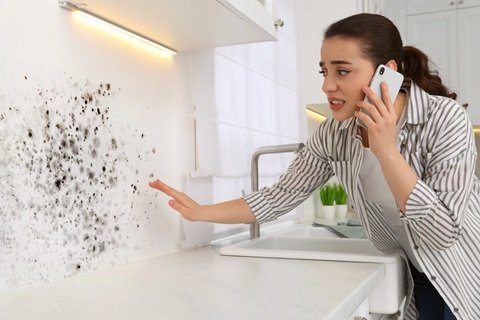
Water damage is one of the most disruptive events a homeowner can experience, and its consequences extend far beyond visible stains or warped flooring. One of the most serious risks following water intrusion is mold growth. Mold thrives in damp environments and can begin to develop within 24 to 48 hours after water exposure. Once established, it spreads quickly, compromising indoor air quality and posing health risks to occupants. Water damage restoration St George professionals emphasize that mold prevention is just as important as repairing structural damage, and their recommendations provide a clear roadmap for homeowners seeking to protect their property.
The Urgency of Immediate Action
Restoration experts consistently highlight the importance of acting quickly after water damage. Mold spores are naturally present in the air, waiting for the right conditions to grow. When water saturates building materials such as drywall, wood, or carpet, those conditions are met almost instantly. Professionals advise homeowners to begin water extraction and drying as soon as possible. Delays increase the likelihood of mold growth, making the restoration process more complicated and costly.
Thorough Water Extraction
The first step in mold prevention is removing standing water. Restoration companies use industrial pumps and vacuums to extract water from floors, carpets, and basements. This process is far more effective than household equipment, ensuring that water is removed quickly and thoroughly. By eliminating excess moisture, professionals reduce the risk of mold spores finding a suitable environment to colonize.
Drying and Dehumidification
Even after visible water is removed, hidden moisture remains in walls, flooring, and furniture. Restoration professionals employ high-powered air movers and dehumidifiers to accelerate drying. Moisture meters and infrared cameras help them detect damp areas that may not be obvious to the homeowner. By targeting these hidden pockets of moisture, experts ensure that the property is completely dry, leaving no opportunity for mold to develop.
Cleaning and Sanitizing Surfaces
Water damage often introduces contaminants, especially if the source is floodwater or sewage. Restoration teams clean and sanitize affected surfaces to eliminate bacteria and prevent mold spores from taking hold. Antimicrobial treatments are commonly applied to walls, floors, and furniture, creating a protective barrier against future growth. This step is critical not only for mold prevention but also for maintaining a safe and healthy living environment.
Addressing Structural Vulnerabilities
Mold prevention is not limited to drying and cleaning. Restoration professionals also evaluate the structural integrity of the property. Damaged drywall, insulation, and carpeting may need to be removed and replaced if they cannot be fully dried. By discarding compromised materials, experts eliminate potential breeding grounds for mold. They also repair leaks, cracks, and drainage issues to prevent recurring water intrusion, which is a common cause of repeated mold problems.
Ongoing Monitoring and Prevention
Restoration does not end once the property is dry. Professionals often recommend ongoing monitoring to ensure that moisture levels remain stable. Installing dehumidifiers in basements or crawl spaces, maintaining proper ventilation, and scheduling regular inspections are all part of long-term prevention strategies. Homeowners are advised to keep gutters clear, check plumbing systems regularly, and address minor leaks before they escalate into major issues.
The Role of Professional Expertise
While homeowners can take some preventive measures themselves, restoration professionals bring specialized knowledge and equipment that make mold prevention far more effective. Their ability to detect hidden moisture, apply antimicrobial treatments, and repair structural vulnerabilities ensures that the property is not only restored but also safeguarded against future risks. Partnering with experts provides peace of mind, knowing that mold has been prevented at the source rather than simply treated after it appears.
Conclusion
Mold prevention after water damage requires swift action, thorough drying, careful cleaning, and long-term vigilance. Restoration professionals emphasize that the key to success lies in addressing both visible and hidden moisture, eliminating contaminated materials, and maintaining preventive practices. By following expert recommendations, homeowners can protect their property from the costly and hazardous effects of mold. Ultimately, mold prevention is not just about preserving the structure of a home—it is about ensuring a safe, healthy environment for everyone who lives there. Transform your workspace with expert renovation solutions at Zicklincontracting.com, where quality meets innovation.