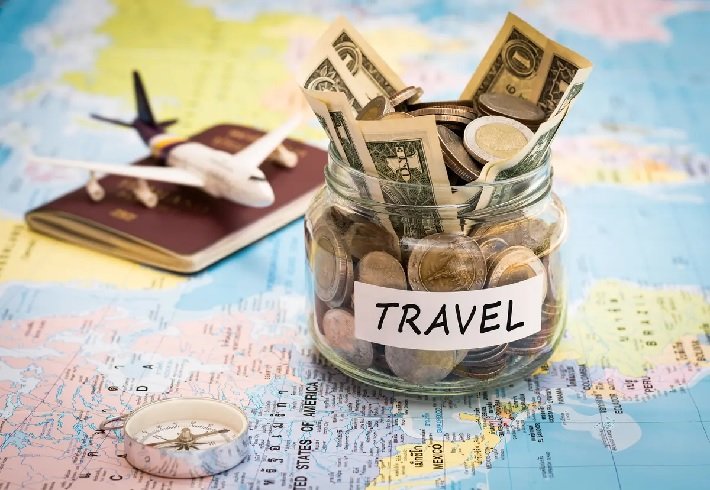
If you’re a travel bug like us, you’ll already be thinking about your next destination after just landing from your latest trip. Travel is definitely one of life’s greatest joys, but the cost of getting there, staying there and eating there can quickly turn a dream trip into a financial headache.
The good news? Smart planning doesn’t mean sacrificing experiences. It means spending on the things that matter most while cutting unnecessary costs. This guide covers those decisions, listing out some practical tips to help you save money while planning your next vacation.
- Book Flights at the Right Time
Flight prices are not fixed. The same seat on the same plane can cost twice as much depending on when you book, which day you fly, and which airport you use. Getting this right is the fastest way to cut your travel budget.
| When to Book | Best For | Typical Saving | Notes |
| 3 to 6 weeks ahead | Domestic flights | 20-35% | Sweet spot before last-minute surge pricing |
| 6 to 12 weeks ahead | Short-haul international | 25-40% | Gives you time to compare multiple options |
| 2 to 4 months ahead | Long-haul international | 30-50% | Peak season routes need even earlier booking |
| Tuesday to Thursday departure | Any route | 15-30% | Weekend flights carry a premium across the board |
| Early morning or late night | Any route | 10-25% | Less convenient = less demand = lower fares |
Use Google Flights’ calendar or price grid view to see the cheapest days at a glance. Set fare alerts on Skyscanner so you get a notification when the price drops to a level you’re happy with, rather than checking manually every day. For additional discounts, check for verified flight coupons online.
- Be Flexible with Travel Dates
The single biggest control you have over your travel budget is when you go. Airfare and hotel prices fluctuate dramatically based on demand, season, and day of the week. Being open to shifting your trip by even a few days can lead you to save more.
- Use Google Flights to spot the cheapest travel days at a glance.
- Travel in the “shoulder season,” the weeks just before or after peak season, for lower prices and fewer crowds.
- Set fare alerts on Skyscanner, Hopper, or Google Flights to be notified when prices drop to your target.
- Consider red-eye or very early morning flights, which are often cheaper than midday departures.
- Think Beyond Hotels
Hotels are just one of many ways to take a break, and often the most expensive one. There are more accommodation options than ever before, many of which offer better value and a more authentic local experience.
- Hostels are not just for students. Many now offer private rooms with ensuite bathrooms at 40 to 60% less than hotels, plus social perks like guided city walks and communal kitchens.
- Go for those gorgeous vacation rentals. Platforms like Airbnb, Vrbo, or local equivalents let you rent entire apartments with a kitchen. This even lets you save on dining costs for longer stays.
- Guesthouses & B&Bs are great, especially in Asia and Europe. Family-run guesthouses offer nice rooms, give you local advice, and home-cooked breakfast for a much lower price than chain hotels.
- House-sitting & Couchsurfing lead to free accommodation in exchange for pet-sitting or home-watching. Trusted platforms like TrustedHousesitters connect travelers with homeowners worldwide.
Always check the total price, including taxes and cleaning fees, before hitting ‘book.’ A $150 hotel room that includes a free breakfast and housekeeping is better than a $45/night Airbnb with a $120 cleaning fee.
- Eat Like a Local, Not a Tourist
Food is one of the greatest pleasures while traveling, and one of the easiest places to overspend. Restaurants with gourmet menus and waterfront views can charge three to four times the price of a meal just one street away. Here’s what we suggest you can do-
- Look for local markets and street food stalls. This is where residents actually eat, and the food is almost always more authentic and affordable.
- Have your main meal at lunch instead of dinner. Many restaurants offer a fixed-price “lunch menu” at 30-50% less than the dinner equivalent.
- Cook some of your own meals if you have kitchen access. A local supermarket run for breakfast and snacks can save hundreds over a week-long trip.
- Avoid tourist traps near major attractions. Walk two blocks away from any famous landmark, and prices drop noticeably.
- Carry a refillable water bottle and ask restaurants for tap water where safe, and avoid overpriced bottled water costs.
- Travel Smarter with Local Transport
Getting from A to B is where traveler money silently disappears as taxis, tourist shuttles, and airport transfers add up fast. Local transport is almost always half the price and often more of an adventure.
- Research the public transport system before you land. Metros, buses, and trams in most major cities are extremely affordable and easy to navigate with offline apps.
- Use ride-sharing apps (Uber, Lyft, Grab) instead of unmetered taxis, especially from airports where unauthorized cabs are very pricey.
- Consider intercity buses over trains for routes where comfort differences are minimal, and prices can be 50-70% lower.
- Rent a bicycle for a half-day city exploration. It’s cheap, healthy, and lets you discover corners you’d never reach in a cab.
| Pro Tip: Buy a weekly or multi-day transport pass on the first day of your trip. Most cities offer unlimited travel cards that cost less than five or six single journeys. |
- Do Things That Cost Nothing, or Next to Nothing
Paid tourist attractions are not the only way to experience a new place. Many of the best experiences cost very little. The key is knowing where to look before you arrive.
| Activity Type | Cost | Notes |
| Free museum entry days | Free | Many major museums waive entry one day per week or month. Research this for each city you visit. |
| Self-guided walking | Free | Historic districts, waterfronts, local markets, and parks. Often more interesting than guided tours. |
| Tip-based walking tours | Free (tip optional) | Available in most major cities. Led by locals. You pay only what you feel it is worth. |
| Local festivals and public events | Free | Street fairs, food markets, public performances, and religious celebrations; check local event listings. |
| Beaches, hiking, and nature | Free to Low | Coastal walks, viewpoints, and most national parks charge only a small entrance fee, if anything. |
| City tourist cards | $75 to $170 | Worth buying only if you plan to visit four or more paid attractions. Do the maths before purchasing. |
| Paid guided tours | $45 to $120 | Useful for specific sites with deep history. Compare prices across two or three operators. |
| Package tourist excursions | $180 to $450+ | Usually, the most expensive option. It’s better to research and travel independently for less. |
- Plan Your Budget Before You Pack
The most effective money-saving tool isn’t an app or a deal site; it’s a budget made before you leave. Travelers who set a daily spending target consistently spend less and stress less, because every purchase is measured against a clear goal. Here’s what to do:
- Break your budget into categories: transport, accommodation, food, activities, and extra. Assign a daily or per-trip amount to each.
- Use trail apps like Trail Wallet, TravelSpend, or a simple spreadsheet to track spending in real time. Awareness alone reduces overspending.
- Get a travel-friendly debit or credit card with no foreign transaction fees and ATM fee rebates. Cards like Niyo Global, Wise, or Revolut can save 3 to 5% on every transaction abroad.
- Always withdraw local currency from ATMs inside banks, as airport exchange booths and private kiosks may charge additional rates.
- Pack Light, Save More
Overpacking can lead to extra costs. Checked baggage fees on budget airlines can cost as much as the flight itself and a heavy bag makes you slower, more tired, and more dependent on paid transport.
- Challenge yourself to fit everything into a carry-on (max 7 to 10 kg). It’s more achievable than it sounds and saves checked baggage fees on every leg of your trip.
- Pack quick-dry clothing that can be worn multiple ways and hand-washed easily, reducing the need for costly laundry services.
- Leave space for things you’ll buy on the trip. Locally purchased souvenirs, clothing, and supplies are often cheaper and more meaningful than what you’d bring from home.
- Invest in a quality packing system. It lets you fit more in less space and stay organized throughout the trip.
To Conclude
Saving money on travel is all about making smarter choices at every step of your journey. The goal isn’t to spend less just for the sake of it, but to spend wisely so you can enjoy more of what truly matters. This can include exploring hidden gems, indulging in authentic cuisine or simply extending your trip by a few extra days. With a little planning, awareness and creativity, you can make any trip a rich and memorable experience.
So, as you plan your next getaway, remember: travel smart, spend thoughtfully, and make every buck count while creating unforgettable memories along the way.