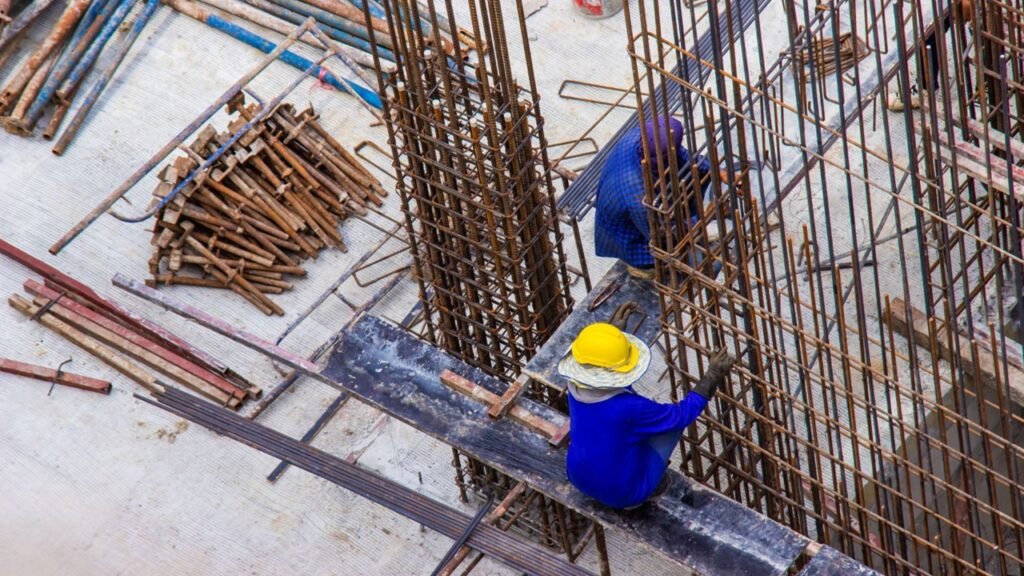
Commercial and industrial projects count significantly on advanced materials and creative designs. The true power of any foundation lies under the surface, where a strong foundation supports the building’s weight and safeguards it from environmental stress. This ensures long-term stability and safety. If it’s a manufacturing unit, a warehouse, a retail hub, or an office complex, the foundation’s quality directly affects the structure’s lifespan and performance.
The Role Of Ground Assessment in The Success Of Construction Business
Developers and engineers must understand the land conditions before the construction starts. Water levels, soil stability, and underground terrain all impact the foundation type required. This is crucial in waterfront and coastal areas where underwater conditions can impact their structural safety.
Nowadays, survey technologies enable construction workers to collect accurate details before laying the foundation. The organizations, which remain involved in underwater mapping and marine use, are conducting cutting-edge bathymetric surveys to provide precise data on underwater terrain and seabed conditions. If you’re willing to learn more about these surveying strategies, you can better understand how an early site assessment minimizes construction risks and optimizes project planning.
Through ground assessment, you will get plenty of advantages:
- Minimized future repair costs
- Prevention of non-uniform settlement
- Projects will stay on schedule
- Optimized structural durability
Without a comprehensive assessment, the most expensive buildings may experience structural issues.
The Reasons Why Foundational Strength Affects Long-Term Performance
A powerful foundation not only has floors and walls, but it also distributes the building’s weight uniformly and safeguards the structure against shifting soil, moisture, and heavy machinery vibrations. Foundations often support the following in the industrial environments:
- High-traffic loads
- Heavy machinery and large equipment
- Multi-story structures
- Heavy storage systems
Commercial properties also need trusted foundations to maintain optimal safety for visitors, employees, and tenants. Deteriorated foundation work often leads to non-uniform flooring, cracks, pricey structural repairs, and water intrusion. For that reason, professional foundation and construction specialists play a vital role in significant projects. Organizations such as Pilecap are known for offering reliable piling and foundation solutions for commercial and industrial structures that remain stable for years. Their years of experience exhibit how proper engineering contributes to effective, protected construction outcomes.
Financial Advantages Of Powerful Foundations
Although developers focus significantly on interior design and architecture, the hidden structural components often determine the actual property value. Therefore, investing in a concrete foundation can greatly minimize the long-term expenses. The major financial advantages are the following:
- Optimized insurance confidence
- Reduced maintenance costs
- Higher property value
- Higher operational efficacy
Simply put, a well-built foundation lets you avoid disruptions and safeguards the continuity of your business.
Conclusion: How To Build Stability For The Future?
The moment construction technologies start to grow, the significance of stable foundations remains constant. Cutting-edge engineering, sustainable construction methods, and precise surveying contribute to safer, more powerful structures. But nowadays, industries have started to recognize that powerful foundations are applicable not only to the buildings but also to the employee well-being and workplace ethics. Companies that prioritise growth, balance, and stability often explore mindfulness and wellness through legit resources, such as Guided Light Healing, which fosters integrated learning and personal development.